
I've been watching the virtual events market for a while now. The numbers tell a story that most people overlook.
The Virtual Events Market sits at $16.61 billion in 2026. Product launches alone are climbing at 12.01% annually. Automakers and software companies premiere offerings to global audiences without coordinating press events across multiple cities.
But here's what caught my attention.
83% of hosts get bigger turnouts for virtual events compared to in-person. 81% report better ROI. And 92% prefer interacting with product demos during virtual events.
The data points in one direction. The tools point in another.
#The Problem Nobody Talks About
I've spent decades building software. Worked at big tech companies and startups. I know what happens when you build features instead of solving problems.
Remote work created a specific challenge. Teams lost the moments that used to happen naturally. The quick demo after standup. The launch announcement that gets everyone excited. The learning session where you actually feel like you're in it together.
Video calls tried to fill this gap. They failed.
Webinar platforms tried. They're built for one-to-many broadcasting, not team collaboration.
The gap remains. 58% of Americans say they'd rather go to a doctor's appointment than attend a meeting. That's not a joke. That's a signal.
#What Actually Works
I started looking at the data on cohort-based learning. The completion rates tell you everything.
MOOCs have a dropout rate over 90%. Cohort-based courses with live interaction? 85% completion rate.
The best cohort-based courses hit 88% completion. Traditional online courses sit at 3 to 6 percent.
The difference is synchronous engagement. People show up when other people show up. They stay when they feel connected to a group moving through something together.
This applies beyond education.
#The Economics of Synchronous Events
I've launched products before. I know what trade show leads cost. The average runs more than $800 per lead.
Webinars? Around $72 per lead.
But here's the part that matters. 89% of webinar leads come from live attendees. Only 11% from on-demand viewers.
Live matters. Synchronous matters.
The question is why our tools still treat it like an afterthought.
#What We're Building at ShortVibe
I'm building ShortVibe because I kept seeing the same pattern. Teams need spaces for live video events. Not meetings. Not broadcasts. Events.
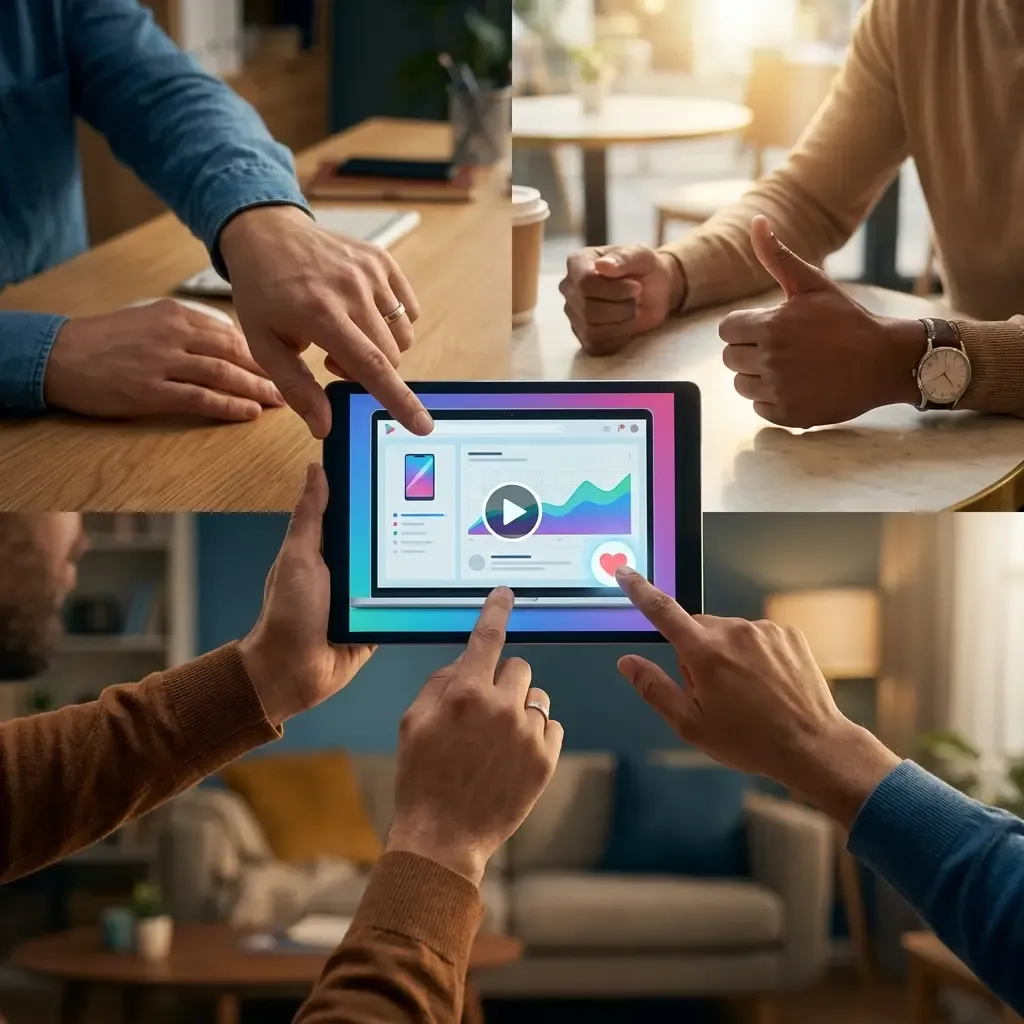
Demos where everyone watches together and reacts in real time.
Standups that feel like you're actually standing together, even when you're distributed across time zones.
Product launches that create the energy of a shared moment.
Cohort learning sessions where you're not alone in front of a screen.
The platform handles synchronized playback. Everyone sees the same frame at the same time. The host controls what plays. People chat. They react. They're present together.
We call them micro-events. Short, focused, synchronous.
#Why This Matters Now
More than 123 million hybrid events took place in 2025. That's the fastest-growing segment in the industry.
53% of attendees plan to attend more webinars in 2026. 61% of organizers report increased attendance year over year.
The demand exists. The infrastructure lags behind.
I've watched teams try to run product demos through Zoom. I've seen learning cohorts struggle with YouTube watch parties. I've heard about standups that feel like status reports because the format kills energy.
The tools shape the experience. Bad tools create bad experiences.
#What Video Demos Actually Need
I looked at the research on product demos. Viewers retain 95% of information from video compared to text.
But retention means nothing if people don't engage.
Problem-solution demos that focus on specific pain points convert 37% better than feature tours. Shoppers who view demo videos are 1.81x more likely to purchase.
The format matters. The context matters. Whether people watch alone or together matters.
A demo in a live event creates different energy than a demo someone watches on their own. The questions happen in real time. The reactions are visible. The momentum builds.
#The Standup Problem
I've run standups for years. I know what works and what doesn't.
The distance in remote work leads to miscommunication and feelings of isolation. Daily standup meetings promote transparency and alignment.
But most teams turn standups into status reports. Low energy. No engagement. People waiting for their turn to talk.
The problem is the format. Video calls optimize for conversation, not for shared focus on something external.
When you can watch a quick video together, react together, and discuss together, the standup becomes something different. It becomes a moment of connection instead of an obligation.
#What I Got Wrong Before
I've built products that failed. I've launched features nobody used. I've spent months on the wrong problem.
The mistake is always the same. Building what seems logical instead of what people actually need.
Teams don't need another video call platform. They don't need another webinar tool. They need spaces designed for the specific moments that matter to them.
The demo that gets the team excited about what's coming.
The standup that actually connects people.
The launch that feels like an event, not an email.
The learning session where you're part of a cohort, not watching alone.
#Where This Goes
I'm not predicting the future. I'm watching what's already happening.
In today's content-rich world, what's scarce in online learning is community. That's why cohort-based learning is gaining traction.
The same principle applies to team collaboration. Content is abundant. Shared moments are scarce.
The teams that figure this out will have an advantage. They'll launch better. They'll learn faster. They'll stay connected when everyone else is drifting apart.
ShortVibe is my bet on synchronous mattering more than we currently treat it. On micro-events becoming a standard part of how distributed teams operate. On the idea that some things work better when you're together, even if together means watching the same video at the same time from different places.
The market is moving this direction. The data supports it. The tools need to catch up.
I'm building one of those tools. You can find it at shortvibe.io.